Introduction
In today’s fast-paced world, individuals in high-stress professions, such as first responders, healthcare workers, and emergency personnel, face events that can significantly impact their mental health.
These events, known as critical incidents, can be traumatic, overwhelming, or emotionally intense. Understanding critical incident stress management (CISM) is crucial for maintaining well-being and ensuring effective performance in challenging environments.
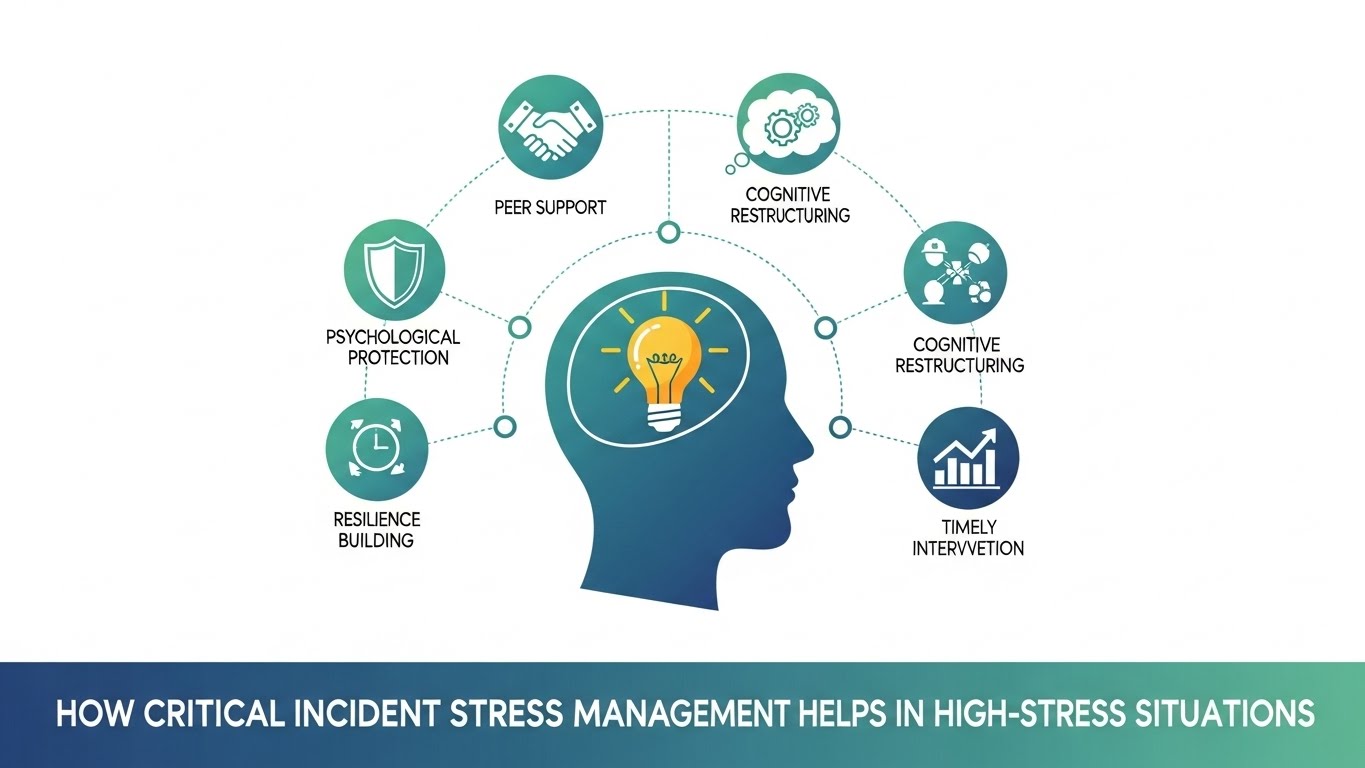
Critical incident stress management refers to the strategies and techniques used to prevent, identify, and reduce the effects of stress caused by traumatic or critical events.
This guide will explain the importance, processes, and strategies of CISM in a simple and practical way.
What is Critical Incident Stress Management?
Critical incident stress management is a systematic approach designed to help individuals recover from traumatic incidents. These incidents may include accidents, natural disasters, violent situations, or any unexpected event that causes emotional or psychological distress.
The main objectives of critical incident stress management are:
- To reduce stress and emotional impact
- To provide immediate support and intervention
- To prevent long-term psychological issues
- To promote healthy coping mechanisms
CISM is often implemented in workplaces, especially in high-stress professions, to ensure that employees remain healthy, resilient, and productive.
Importance of Critical Incident Stress Management
Understanding critical incident stress management is vital because trauma can affect anyone, regardless of experience or training. Without proper intervention, stress from critical incidents can lead to:
- Anxiety and depression
- Post-traumatic stress disorder (PTSD)
- Burnout and fatigue
- Poor decision-making
- Reduced productivity and job performance
By using CISM techniques, individuals can regain emotional stability, improve coping strategies, and maintain both personal and professional well-being.
Types of Critical Incidents
A critical incident can vary in intensity and impact. Common types include:
- Workplace accidents: Serious injuries or death on the job
- Natural disasters: Earthquakes, floods, hurricanes, or fires
- Violent events: Assaults, shootings, or acts of terrorism
- Medical emergencies: Sudden illness or traumatic patient events
- Personal crises: Loss of a loved one or severe family issues
Recognizing these events as potential stress triggers is the first step in implementing critical incident stress management strategies effectively.
How Critical Incident Stress Management Works

Critical incident stress management typically follows a structured process that includes preparation, intervention, and follow-up. Understanding these steps is essential to apply CISM effectively.
1. Preparation
Preparation involves educating individuals and teams about potential stressors and how to respond to them. Key preparation strategies include:
- Training programs for stress recognition
- Awareness workshops for coping techniques
- Creating support networks within teams
Preparedness helps individuals respond calmly and effectively during a critical incident.
2. Intervention
Intervention occurs immediately after a critical incident. Its purpose is to provide emotional support and reduce stress symptoms. Common CISM intervention methods include:
- Critical incident stress debriefing (CISD): Structured group discussions to process emotions
- One-on-one counseling: Personalized support for individuals affected by trauma
- Peer support programs: Encouraging colleagues to provide emotional assistance
Interventions are most effective when implemented promptly after a critical incident.
3. Follow-Up
Follow-up ensures long-term support and monitoring for individuals who experienced trauma. It includes:
- Ongoing counseling sessions
- Stress management training
- Monitoring for delayed symptoms of stress or PTSD
Follow-up is critical for preventing long-term psychological issues and ensuring overall recovery.
Techniques in Critical Incident Stress Management
Several techniques are used in critical incident stress management to support individuals before, during, and after traumatic events. These techniques include:
1. Stress Education
Educating individuals about stress, its symptoms, and coping strategies helps them manage their reactions. Stress education programs cover:
- Understanding normal vs. abnormal stress responses
- Recognizing early warning signs of trauma
- Learning healthy coping mechanisms
2. Peer Support
Peer support programs allow colleagues to share experiences and provide emotional guidance. This technique reduces feelings of isolation and fosters resilience.
3. Critical Incident Stress Debriefing (CISD)
CISD is a structured group session conducted shortly after a critical incident. It allows participants to:
- Share feelings and experiences
- Normalize emotional reactions
- Learn coping strategies from professionals
4. Professional Counseling
Licensed mental health professionals provide counseling to individuals who experience severe stress reactions. Counseling helps individuals:
- Understand their emotions
- Reduce anxiety and depression
- Develop long-term coping strategies
Who Can Benefit from Critical Incident Stress Management?
CISM is particularly valuable for individuals in high-stress professions, but it can also help anyone experiencing trauma. Key groups include:
- First responders, such as police officers, firefighters, and paramedics
- Healthcare professionals, including nurses and doctors
- Military personnel
- Emergency management staff
- Employees in high-risk industries
- Individuals affected by personal trauma or natural disasters
By understanding critical incident stress management, these groups can access the support they need to cope with trauma effectively.
How to Integrate Critical Incident Stress Management in Organizations
To effectively integrate critical incident stress management, organizations can take the following steps:
- Develop a CISM plan: Outline policies, procedures, and support resources
- Train employees and leaders: Provide workshops and stress management training
- Establish peer support programs: Encourage colleagues to provide emotional assistance
- Hire or partner with mental health professionals: Ensure access to counseling services
- Monitor and evaluate effectiveness: Track outcomes and adjust strategies as needed
A well-integrated CISM program ensures that employees are supported during and after traumatic incidents.
Conclusion:
Critical incidents are unavoidable, but the stress they cause can be managed effectively. Critical incident stress management provides structured strategies to help individuals cope with trauma, maintain emotional well-being, and prevent long-term psychological issues.
By understanding the importance of CISM, implementing proper interventions, and encouraging ongoing support, both individuals and organizations can navigate critical incidents successfully. Learning critical incident stress management is not just about surviving trauma but thriving in the face of adversity.




Leave a Reply