
Introduction
Flickering lights are a common problem in many homes. While they may seem small at first, flickering lights can be annoying and sometimes signal a bigger electrical issue. Many homeowners search online to learn how to fix flickering lights safely and correctly.
This guide explains how to fix flickering lights using simple language and practical steps. Whether the flickering happens occasionally or all the time, understanding the cause is the first step toward fixing it.
What Are Flickering Lights?

Flickering lights occur when a light source rapidly changes brightness. This can happen in one bulb, one room, or the entire house. Sometimes the flicker is barely noticeable, while other times it is very obvious.
Learning how to fix flickering lights starts with knowing what flickering actually means and how often it occurs.
Why Flickering Lights Should Not Be Ignored
Many people ignore flickering lights, thinking they are harmless. However, persistent flickering can indicate loose wiring, faulty fixtures, or electrical overloads.
Ignoring the issue may lead to higher energy bills, damaged appliances, or safety risks. This is why understanding how to fix flickering lights is important for every homeowner.
Common Causes of Flickering Lights
Before learning how to fix flickering lights, it is important to understand what causes them.
Loose Light Bulbs
One of the most common reasons for flickering lights is a loose bulb.
If a bulb is not screwed in properly, it may not make steady contact with the socket, causing flickering.
Simple Fix
Turn off the light and gently tighten the bulb. This easy step often solves the problem.
Faulty Light Bulbs
Old or damaged bulbs can flicker due to worn-out parts inside the bulb.
If tightening the bulb does not help, replacing it is a simple way to test how to fix flickering lights.
Incompatible Bulbs
Some bulbs are not compatible with certain fixtures or switches, especially when using modern lighting.
Using the wrong bulb type can result in frequent flickering.
Problems with Light Switches
A worn or faulty switch can interrupt the flow of electricity.
When switches fail, they may cause lights to flicker when turned on or off. Replacing the switch often helps fix the issue.
How to Fix Flickering Lights at Home
Many flickering light problems can be fixed with simple steps.
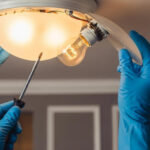
Check and Replace the Light Bulb
The first step in how to fix flickering lights is to inspect the bulb.
- Turn off the power
- Remove the bulb
- Check for damage
- Replace it if needed
This quick check solves many flickering issues.
Tighten the Light Fixture
Loose fixtures can also cause flickering.
Ensure the fixture is securely attached to the ceiling or wall. Loose connections inside the fixture can interrupt power flow.
Inspect the Light Switch
If flickering happens when you touch the switch, it may be worn out.
Replacing old switches is an effective way to learn how to fix flickering lights permanently.
Electrical Wiring Issues
If basic fixes do not work, the problem may be inside the wiring.
Loose Wiring Connections
Loose wiring behind walls or inside outlets can cause lights to flicker randomly.
This issue should not be ignored, as loose wiring can be dangerous.
Overloaded Circuits
Using too many appliances on the same circuit can cause flickering lights.
When appliances turn on, they draw extra power, which can make lights dim or flicker.
Reducing the load on the circuit may help fix the problem.
How to Fix Flickering Lights Caused by Appliances
Large appliances like refrigerators or air conditioners can cause flickering when they start.
Possible Solutions
- Use separate circuits for heavy appliances
- Reduce the number of devices on one circuit
This approach helps stabilize electrical flow.
How to Fix Flickering Lights in LED Bulbs
LED bulbs are energy-efficient but can flicker for specific reasons.
Incompatible Switches and LEDs
Some older switches are not designed for LED bulbs.
Using compatible switches improves performance and reduces flickering.
Poor Quality LED Bulbs
Low-quality LED bulbs often flicker due to poor internal components.
Switching to better-quality bulbs can help fix the issue.
How to Fix Flickering Lights in One Room Only
If flickering happens in just one room, the issue is likely localized.
Possible Causes
- Loose wiring
- Faulty switch
- Bad fixture
Checking each component in that room helps identify the problem.
How to Fix Flickering Lights Throughout the House
If lights flicker throughout the home, the problem may be more serious.
Electrical Panel Issues
Loose connections in the electrical panel can cause widespread flickering.
This is a serious issue and should be addressed carefully.
Utility Power Problems
Sometimes flickering lights are caused by problems with the main power supply.
Power fluctuations from outside sources can affect your home lighting.
When to Seek Professional Help
While learning how to fix flickering lights, it is important to know your limits.
You should seek professional help if:
- Flickering continues after basic fixes
- You smell burning or see sparks
- Lights flicker in multiple rooms
- Circuit breakers trip frequently
Electrical safety should always come first.
Preventing Flickering Lights in the Future
Prevention helps reduce future issues.
Use Quality Lighting Products
Using good-quality bulbs and fixtures reduces the chance of flickering.
Avoid Overloading Circuits
Distribute appliances across different outlets and circuits.
Perform Regular Electrical Checks
Occasional inspections help catch small issues before they become serious.
How Long Does It Take to Fix Flickering Lights?
The time required depends on the cause.
Simple fixes like replacing bulbs take minutes, while wiring issues may take longer. Identifying the problem early saves time and effort.
Conclusion:
Learning how to fix flickering lights helps keep your home safe, comfortable, and energy-efficient. While many flickering issues are minor and easy to fix, others require careful attention.
Start with simple checks like bulbs and switches. If the problem persists, consider deeper electrical causes. Acting early prevents bigger problems and ensures reliable lighting in your home.




Leave a Reply