Introduction
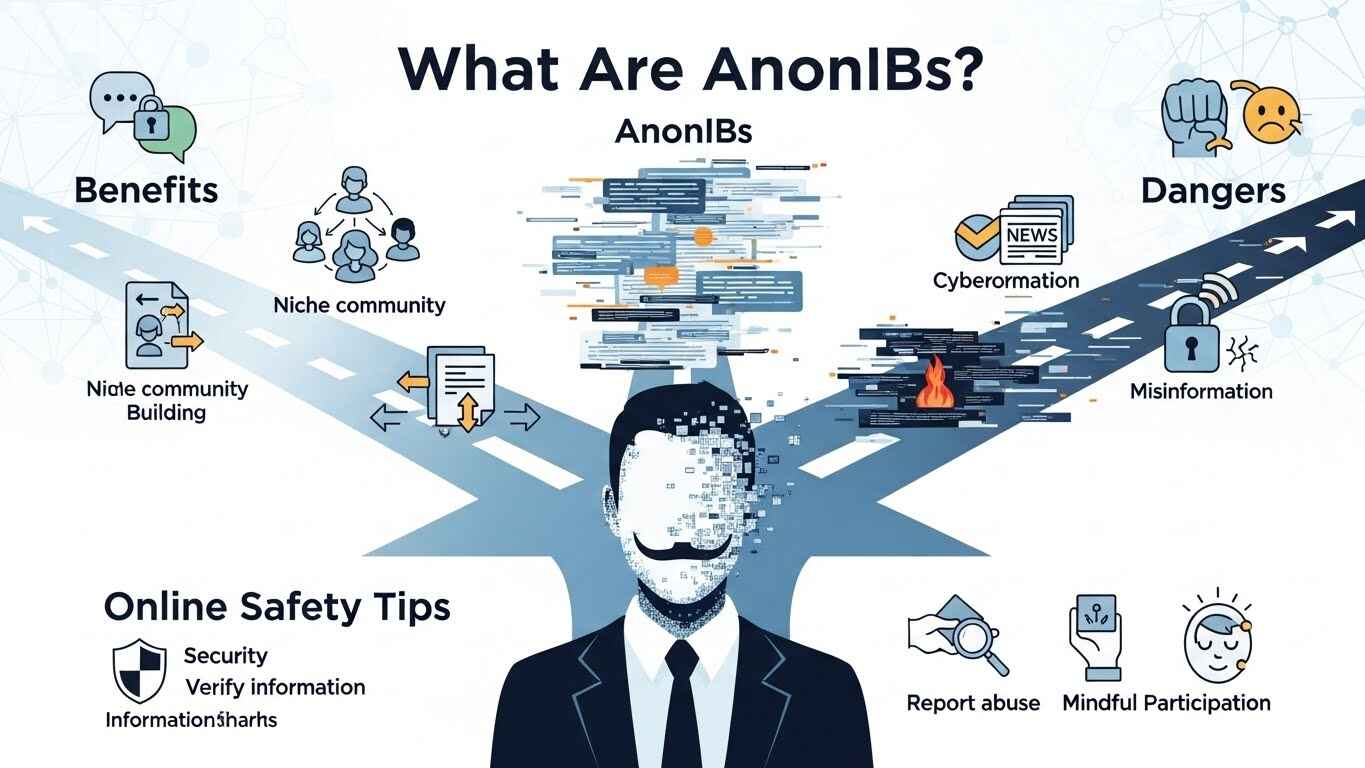
AnonIBs are anonymous image boards that allow people to post pictures, comments, and discussions without revealing their identity. Over the years, AnonIBs became widely known for their open structure and user-generated content.
While some users see AnonIBs as platforms for free expression, others see them as risky spaces due to privacy concerns and misuse.
In this guide, we explore what AnonIBs are, how they work, their advantages, potential dangers, and the best safety tips for anyone browsing similar anonymous platforms.
What Are AnonIBs?
AnonIBs are online boards where people share text posts, images, and conversations anonymously. The term comes from “anonymous image board.” These platforms usually have different sections for topics like hobbies, photography, general chat, fashion, and many more.
The structure of AnonIBs resembles early internet communities where people talked freely without revealing personal details. Users often prefer AnonIBs because there are no profiles, follower systems, or identity tracking.
How AnonIBs Work
AnonIBs work through a thread-based system. Here’s how the basic process usually looks:
1. Anonymous Posting
Posts can be made without signing up. A user uploads an image or writes a message, and it appears publicly.
2. Thread Creation
Each post becomes a thread where others can reply. Discussions grow quickly because there are no identity barriers.
3. Content Categories
Most AnonIBs include multiple categories. Users pick a board that fits their topic.
4. Auto-Deletion
Some content gets removed after a certain number of posts or after losing activity, keeping the platform constantly refreshed.
5. Community Moderation
Some boards rely on users to report harmful or inappropriate content.
Why People Use AnonIBs
Many users visit AnonIBs for different personal reasons. Here are some of the most common:
1. Privacy and Anonymity
AnonIBs provide a space where no one knows your identity. This helps people speak freely without fear of judgment.
2. Open Discussions
People enjoy the open nature of conversations that do not require personal information or registration.
3. Niche Communities
Some AnonIBs have boards focused on very specific topics. Users who cannot find such spaces on normal social networks may find them here.
4. Creative Expression
AnonIBs allow users to share art, photography, memes, jokes, or casual thoughts anonymously.
Common Features of AnonIBs
Even though individual platforms may differ, most AnonIBs share similar features:
Anonymous Posting
No usernames, emails, or profiles required.
Fast-Moving Threads
Discussions move quickly because posts are short and frequent.
Image-Centered Layout
Most AnonIBs focus on images with text replies underneath.
Minimal Design
The layout is usually simple and text-based.
User-Driven Interaction
Users control the flow of discussions through replies and new posts.
Concerns and Risks Linked to AnonIBs
While AnonIBs have benefits, they also come with serious risks. Users should understand these dangers before engaging with such platforms.
1. Privacy Risks
AnonIBs often encourage users to post images, but sometimes people upload personal photos without considering consequences. Once posted, removing them completely is difficult.
2. Sensitive or Harmful Content
Because the platforms are anonymous, some users share inappropriate, unsafe, or harmful content.
3. Cyberbullying
Anonymous spaces can attract negativity. Some users may post rude, aggressive, or offensive comments.
4. No User Accountability
Since identities are hidden, holding someone responsible for harmful actions becomes difficult.
5. Misuse of Images
Image boards carry the risk of unauthorized image sharing. Personal photos can be misused by others, leading to harm.
Are AnonIBs Legal?
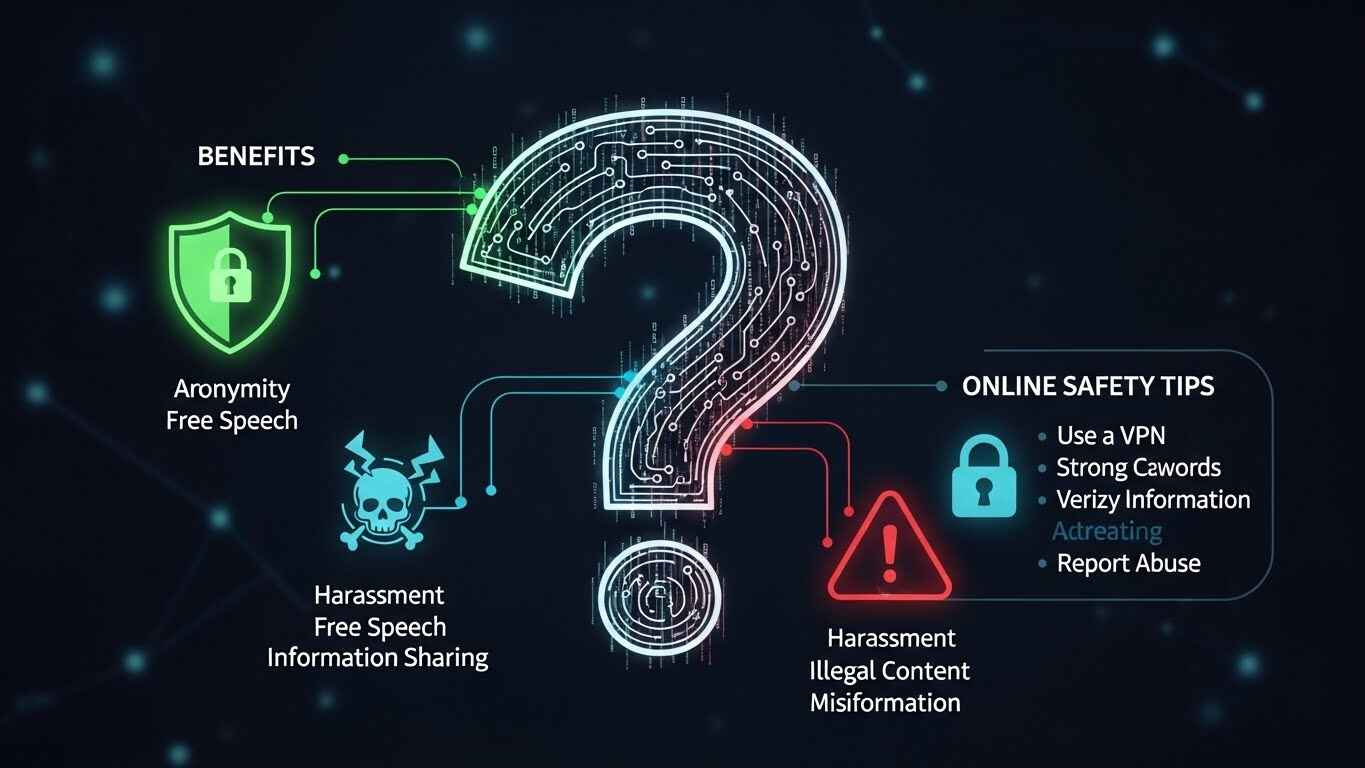
The legality of AnonIBs depends on the type of content shared. The concept of anonymous boards is not illegal. However, sharing copyrighted, private, or harmful content may violate laws.
Most platforms warn users not to post anything illegal or harmful, but due to anonymity, enforcing rules is often challenging.
Users should always be cautious and avoid sharing personal or sensitive information.
The Evolution of AnonIBs
AnonIBs began as small online communities and grew popular as people searched for anonymous communication spaces. Over time, several similar platforms appeared, each with its own rules and culture.
Some evolved into larger communities with stricter moderation, while others dissolved due to misuse or legal issues. Today, the concept still exists but in more controlled and safer environments.
Safe Alternatives to AnonIBs
If someone wants anonymity without the risks associated with AnonIBs, there are safer options:
1. Moderated Anonymous Forums
Some online communities allow anonymous posting but use strict moderation to prevent harmful content.
2. Privacy-Focused Chat Apps
Apps that do not track user data can offer safer communication.
3. Creative Boards With Rules
Platforms designed for art, writing, or creativity often allow anonymous contributions in a controlled way.
Tips to Stay Safe While Using Platforms Like AnonIBs
If someone still chooses to browse anonymous boards, it is important to follow safety practices:
1. Never Share Personal Information
Avoid posting real names, addresses, phone numbers, or identifiable photos.
2. Be Careful With Images
Think twice before uploading any image that could affect someone’s privacy.
3. Avoid Harmful Content
Do not engage with or share inappropriate, illegal, or unsafe posts.
4. Use Privacy Tools
VPNs and privacy-focused browsers help protect user identity.
5. Report Problematic Posts
Reporting harmful content helps maintain a safer environment.
How AnonIBs Influence Online Culture
AnonIBs played a significant role in shaping early internet culture. They encouraged memes, open discussions, and trend creation long before modern social media.
Their influence can still be seen today in online humor, free expression, and minimalist web design.
Who Should Use AnonIBs?
AnonIBs may appeal to:
- People who enjoy anonymous discussions
- Users looking for niche communities
- Those who prefer simple, fast-moving boards
- People needing a space to share ideas without social pressure
However, due to risks, it is recommended for mature users who understand how to stay safe online.
Is It Safe to Join AnonIBs Today?
Safety depends largely on the platform’s rules and moderation quality. Some versions of AnonIBs are poorly moderated, making them risky. Others might be safer if they enforce strict guidelines.
Users should evaluate:
- Community behavior
- Moderation activity
- Privacy settings
- Type of content shared
Choosing safer alternatives is often the smarter choice for most people.
Future of AnonIB-Style Platforms
Anonymous platforms will likely continue evolving. We may see:
- Better moderation technologies
- Stronger privacy tools
- More controlled anonymous communities
- Improved reporting systems
The future may bring safer versions of AnonIB-style communication spaces.
Conclusion:
AnonIBs remain a major part of anonymous online culture. They offer freedom, creativity, and open discussions, but also come with risks like privacy issues and harmful content.
Understanding the nature of AnonIBs helps users navigate these spaces wisely.
By using safe practices and choosing well-moderated communities, people can enjoy the benefits of anonymity while minimizing dangers.
If handled carefully, anonymous boards can remain a useful tool for digital expression.





Leave a Reply